Summary – The blog highlights how Hanabi Judo keeps children active and engaged through its after-school program and PokeCamp, combining judo, Japanese cultural activities, creative projects, homework support, and opportunities to build friendships.
A school bell may signal the end of the classroom day, but a child’s curiosity doesn’t have to stop there! There are new movements to learn, friendships to make, artwork to create, and cultures to discover. At Hanabi Judo, we give children opportunities to enjoy these experiences through judo training, Japanese cultural activities, summer camp, and our after-school program in Albany, CA.
Whether children are looking for something exciting during summer break or a productive way to spend their afternoons, our programs offer opportunities to stay active, explore new interests, and learn beyond the classroom.
Learning Doesn’t Have to Stop After School
Think about everything children discover when they try something for the first time. Learning a new movement, completing an art project, or working with a group can teach lessons that look very different from those found in a textbook.
Activities outside school give children opportunities to:
- Try new experiences and discover personal interests.
- Practise communication and cooperation.
- Develop coordination through physical movement.
- Learn patience by working toward a goal.
- Build confidence through small achievements.
At Hanabi Judo, we bring these opportunities into activities that encourage children to participate, explore, and learn alongside others.
What Makes a Good Summer Camp Experience?
A memorable summer camp should give children something to look forward to each day. A morning of physical activity followed by an afternoon of creative projects can make the experience more varied and enjoyable.
When choosing a kids summer camp in Albany, CA, parents can consider three important things:
- Variety of activities: Sports, games, and creative projects give children different ways to participate and discover what interests them.
- Opportunities to interact: Group activities allow children to share ideas, work together, and make new friends.
- A supportive environment: Parents should understand the daily routine, supervision arrangements, and activities before choosing a camp.
At Hanabi Judo, we combine physical participation and creative learning to make summer more than just a break from school.
How Hanabi Judo’s After-School Program Makes Afternoons Meaningful
After a full day of classes, children often need a change of pace. Instead of spending the entire afternoon following another classroom routine, they can enjoy time for homework, physical activity, and cultural exploration.
Our after-school program in Albany, CA, serves students from TK through fifth grade and offers a combination of practical support and engaging activities.
Homework, Snacks, and School Pick-Up
We include homework time and snack time in the afternoon routine, helping children settle in after school and work on their assignments. Our program also offers pick-up from all Albany elementary schools and others nearby, making the transition from school to after-school activities more convenient for families.
We provide pick-up from Marin, Cornell, and Ocean View elementary schools. Pick-up from some nearby schools may also be available upon request.
Judo That Gets Children Moving
The afternoon includes judo activities where children explore basic movements, balance, coordination, and safe falling techniques. They also become familiar with following instructions and showing respect.
Children who are new to judo will learn introductory skills without needing previous training experience.
Japanese Culture Beyond the Textbook
Japanese language, songs, games, and dojo etiquette bring another dimension to the afternoon. Children get to experience cultural activities while interacting with their peers.
Our after-school group is limited to 20 children, allowing us to maintain a small, personal group setting for the program that allows for more personal attention.
Discover PokeCamp: A Creative Summer Adventure
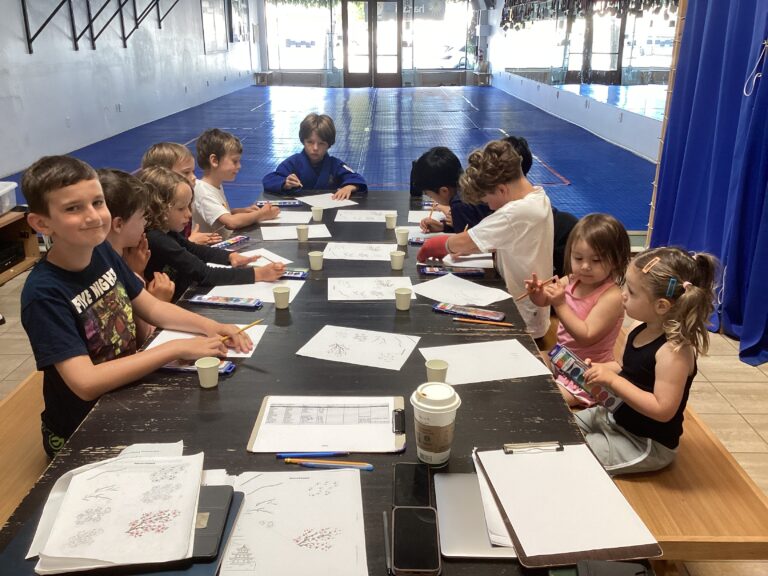
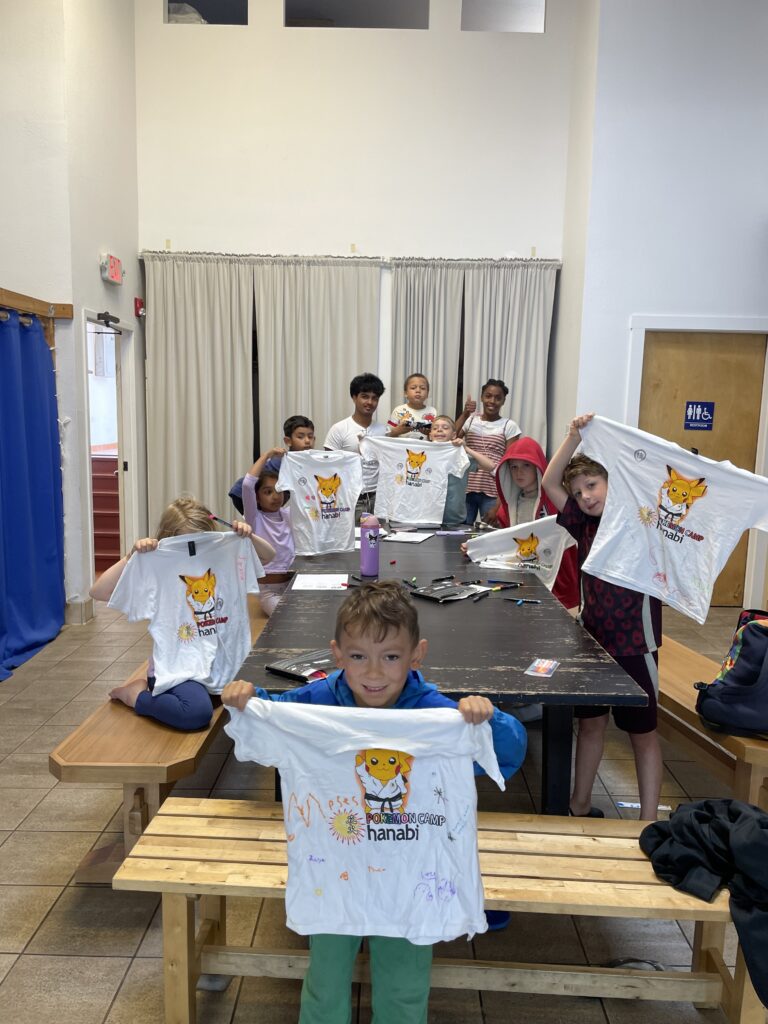
Our PokeCamp – Physical & Cultural Adventures brings together daily judo, Japanese songs, counting, greetings, origami, drawing, and painting. Children even receive Pokémon cards and create their own Pokémon! They also customize camp T-shirts, collect friends’ signatures, and we create a weekly, personalized video featuring their adventures.
Themed sessions include Anime, Judo, Origami, Painting, The Japanese Star Festival, and Super Art. Our kids summer camp in Albany, CA is held at Hanabi Dojo, and at additional locations in Alameda and Piedmont. Contact us for the next available schedule or check out the information on www.hanabijudo.com.
Give Your Child More Opportunities to Explore at Hanabi Judo
From discovering judo to completing a creative project, children deserve opportunities to learn through experiences they enjoy. At Hanabi Judo, we bring physical activity, Japanese culture, and group learning together through our after-school program and summer camp.
Visit Hanabi Judo or call (510) 604-6640 to ask about program availability, schedules, and registration.
Frequently Asked Questions
1. What ages can attend Hanabi Judo’s summer camp?
The supplied camp information lists children ages 5 to 15. Contact us to confirm availability for upcoming sessions.
2. What activities are included in the summer camp?
Children can enjoy daily judo, Japanese cultural activities, drawing, painting, origami, Pokemon cards and Pokémon-inspired projects.
3. Does my child need previous judo experience?
No previous judo experience is needed. Contact US
4. Which schools does Hanabi Judo serve for after-school pick-up?
We offer pick-up from Marin, Cornell, and Ocean View elementary schools in Albany and Harding in El Cerrito. We may also be able to accommodate nearby schools upon request.
5. What does the after-school program include?
Our program includes school pick-up, homework time, snacks time, judo, and Japanese cultural activities for TK through fifth-grade students. The group is limited to 20 children.